
My heart goes out to all those affected by Sundays tragic landslide at the Kiteezi landfill in Kampala, Uganda. The loss of life and the ongoing suffering of the community are truly devastating.
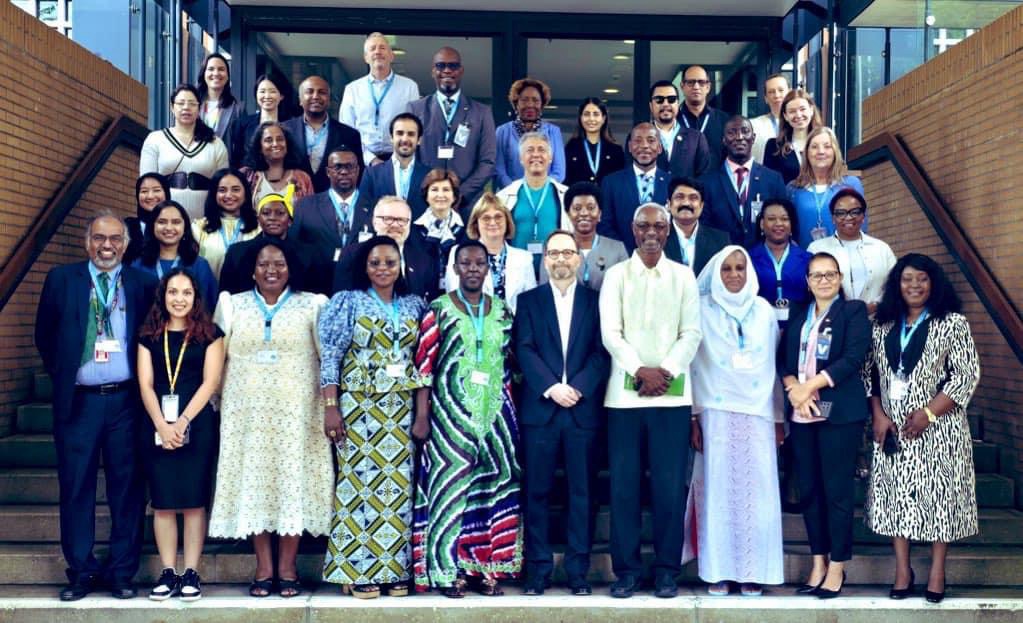
I want to commend Rita Atukwasa, whom I know through the UN Global Land Initiative, for her advocacy in Parliament. Rita’s submission on waste management, climate change, and eco-preneurship highlights the critical importance of addressing land degradation. This tragedy underscores the urgency of her message.
Land degradation is a man-made problem that demands global solutions. The Kiteezi landslide is a stark reminder of the consequences when we fail to properly manage our environment and waste. This is not just Uganda’s challenge – it’s a global issue that requires collective action and responsibility.
The facts of this tragedy are sobering. Following torrential rains, Kampala’s only garbage dump collapsed, burying homes and people. At least 32 lives have been lost, with 14 people rescued so far. Rescue operations continue as teams search for those who may still be trapped.
This disaster is part of a broader pattern across Africa, where poorly managed waste sites have led to similar tragedies. Recent heavy rains in Uganda have increased the risk of such catastrophes, highlighting the interconnected nature of climate change and land management issues.
President Yoweri Museveni has directed the relocation of residents living near the hazardous dump and deployed special forces to assist in rescue operations. While these immediate actions are necessary, they also point to the need for long-term, sustainable solutions to prevent future disasters.
As we extend our thoughts and prayers to the families of the victims and the entire community during this incredibly difficult time, let us also commit to addressing the root causes of such tragedies. The Kiteezi landslide tragedy serves as a stark reminder of why the Global Land Initiative’s objectives are so crucial. This initiative aims to prevent, halt, and reverse land degradation with an ambitious goal of reducing degraded land by 50 percent by 2040. This is not just an environmental target – it’s a mission to save lives, protect communities, and ensure a sustainable future for all.
To achieve this goal, we all must play our part. Governments need to implement and enforce robust land management policies. Businesses must adopt sustainable practices and invest in eco-friendly technologies. Communities can engage in local conservation efforts and sustainable land use. As individuals, we can make conscious choices about waste reduction and support initiatives that promote land restoration.
The path to reversing land degradation is challenging, but the cost of inaction is far greater, as the Kiteezi tragedy painfully illustrates. By working together toward the Global Land Initiative’s objectives, we can help prevent future disasters, protect vulnerable communities, and create a more resilient world for generations to come.
Let this tragedy galvanize our commitment to these crucial goals. In honouring those lost and affected in Kampala, we can redouble our efforts to combat land degradation globally. Together, we can build a future where such preventable disasters become a thing of the past.

 Aye Matters